Coast to Coast Genetic Genealogy Services
We've spent years helping law enforcement solve the nation’s toughest cold cases using DNA. Now, we’re bringing that same world-class expertise to family mysteries and genealogical surprises. Whether you are searching for biological parents, breaking through a centuries-old brick wall, or seeking the truth about your ancestral roots, we turn your DNA test results into the answers you’ve been waiting for.
About Coast To Coast Genetic Genealogy Services
Coast to Coast Genetic Genealogy Services (CCGG) was founded in 2022 to offer comprehensive genetic genealogy services as well as investigative genetic genealogy. Today, our business is focused solely on traditional and genetic genealogy with a specific mission of helping individuals to solve adoption and unknown parentage mysteries. CCGG operates remotely from Portland, Oregon and Westchester County, New York - we are truly coast-to-coast! You may have seen our founders on Naming the Dead on Hulu, NatGeo, and Disney+ -- check out our episode here!
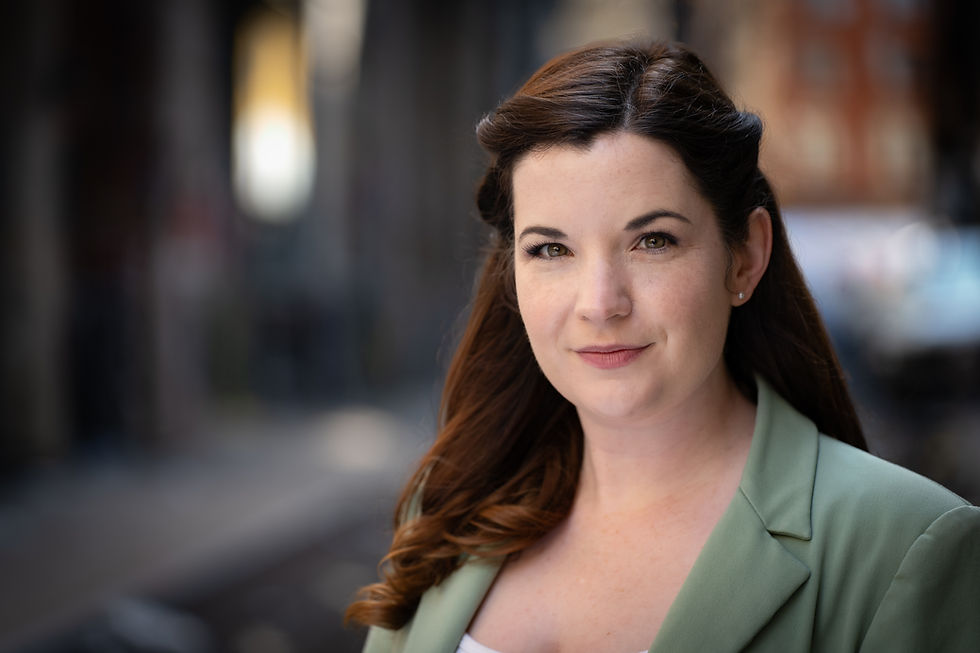
Cairenn Binder, MS, AIGG
Founding Partner
Cairenn Binder is an accredited investigative genetic genealogist, educator, and speaker based in New York. She began solving her own family mysteries as a teenager, practicing traditional and genetic genealogy to uncover the identities of her biological grandparents. Beginning in 2018, she served as one of the first volunteer investigative genetic genealogists, working with a nonprofit organization to identify human remains. In addition to serving as a founding partner of Coast to Coast, Cairenn directs the Ramapo College Investigative Genetic Genealogy Center. She is a member of the Investigative Genetic Genealogy Association (IGGA) and an advisory board member of the Investigative Genetic Genealogy Accreditation Board (IGGAB).

Harmony Vollmer
Founding Partner
Harmony Vollmer is a Portland-based investigative genetic genealogist and laboratory scientist. Harmony has loved genealogy and solving mysteries since young adulthood, and joined the DNA Doe Project in 2018 as one of their first investigative genetic genealogy (IGG) practitioners and team leaders. She has since led teams to resolve scores of unidentified human remains cases, overcoming difficulties including underrepresented populations, adoptions and other complicating factors which add complexity to IGG work.